
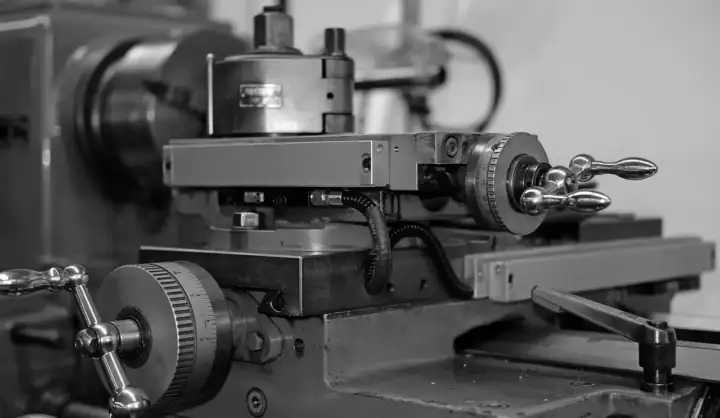
Modern industries rely on materials that can withstand extreme pressure, temperature, and wear. Tungsten carbide is one such material known for its exceptional hardness and durability. However, its strength also makes it difficult to machine using conventional tools and techniques. That is where Carbide Machining services become essential. Specialized machining processes and advanced equipment allow manufacturers to shape carbide into precise industrial components used in aerospace, medical, automotive, and manufacturing industries.
Carbide machining requires experience, precision tools, and specialized processes such as grinding, EDM wire cutting, and precision drilling. Companies that specialize in machining tungsten carbide help industries produce components that last longer, perform better, and maintain accuracy even under harsh working conditions.
Understanding Carbide and Its Industrial Importance
Tungsten carbide is a composite material made by combining tungsten and carbon atoms. This material is extremely hard, ranking close to diamonds on the hardness scale. Because of this property, carbide is widely used for tools, dies, molds, wear components, and precision machine parts.
Industries prefer carbide because it offers outstanding wear resistance, high compressive strength, and excellent thermal stability. For example, in manufacturing plants, carbide cutting tools maintain sharp edges longer than steel tools. In the oil and gas industry, carbide components are used in drilling equipment because they can endure intense pressure and abrasion.
Despite these advantages, carbide is challenging to shape or modify. Traditional machining techniques often fail due to the material’s hardness. Therefore, specialized carbide machining techniques are necessary to achieve the desired shapes and tolerances.
Why Carbide Machining Requires Specialized Expertise
Machining carbide is not the same as machining steel or aluminum. The extreme hardness of carbide demands advanced tools and processes. Specialized equipment such as diamond grinding wheels, EDM machines, and precision drilling tools are commonly used.
A professional Carbide Machine Shop has the technical expertise to handle these processes effectively. Skilled machinists understand how to control heat, pressure, and cutting speed to avoid damaging the material during machining. They also use high-precision measurement tools to ensure the finished parts meet strict tolerances.
For instance, in the aerospace industry, even the smallest deviation in a component’s dimensions can lead to performance issues. With advanced carbide machining techniques, manufacturers can produce components with micron-level accuracy.
Key Carbide Machining Processes
Several specialized machining methods are used to shape tungsten carbide components. Each method serves a unique purpose depending on the complexity and requirements of the part.
Precision Grinding
Grinding is one of the most common techniques used in carbide machining. Since carbide is extremely hard, grinding wheels embedded with diamond particles are typically used. These wheels gradually remove material while maintaining high dimensional accuracy.
Precision grinding is widely used for manufacturing cutting tools, inserts, and wear components. It allows machinists to achieve extremely smooth surfaces and tight tolerances that are critical for high-performance industrial parts.
EDM Wire Cutting
Electrical Discharge Machining (EDM) wire cutting is another important method used to shape carbide components. This process uses electrical sparks to remove material from the workpiece without direct contact between the cutting tool and the material.
EDM wire cutting is ideal for creating intricate shapes and complex geometries that would be difficult to achieve with conventional cutting tools. For example, manufacturers often use EDM to produce precision dies, molds, and detailed carbide parts used in specialized equipment.
Carbide Drilling
Drilling holes in carbide requires highly specialized equipment. Standard drill bits cannot penetrate this extremely hard material. Instead, machinists use diamond-coated drills or EDM drilling methods to create precise holes.
Carbide drilling is commonly used in applications where precision alignment is crucial. Industries such as electronics, automotive manufacturing, and medical device production often rely on this process to create highly accurate holes in carbide components.
Industries That Benefit from Carbide Machining
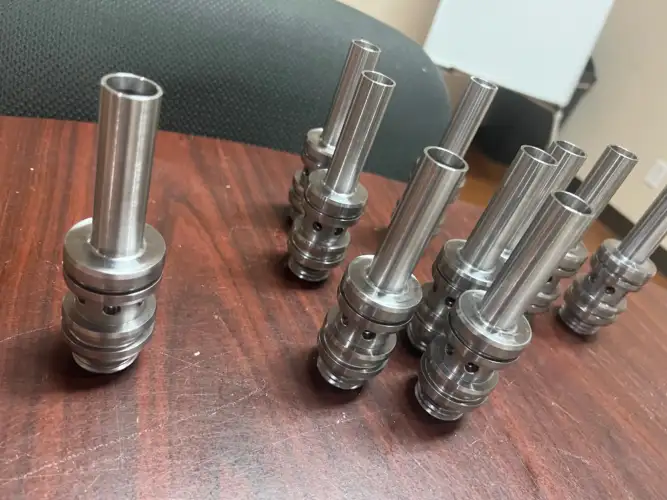
Carbide machining plays a vital role in several industries that demand durability and precision. Aerospace manufacturers use carbide components for cutting tools and wear-resistant parts that must perform reliably under extreme conditions.
The automotive industry relies on carbide dies, molds, and inserts to manufacture high-quality vehicle parts. In the oil and gas sector, carbide components are used in drilling tools and equipment that operate in harsh environments.
Medical device manufacturers also benefit from carbide machining because it allows the production of highly precise surgical tools and instruments. These tools must maintain accuracy and reliability to ensure patient safety.
Advantages of Professional Carbide Machining Services
Working with an experienced carbide machining provider offers several advantages for manufacturers. One of the most important benefits is precision. Advanced machining techniques allow companies to produce components with extremely tight tolerances.
Another advantage is durability. Carbide components manufactured with proper machining techniques maintain their structural integrity and performance for a longer time. This reduces maintenance costs and increases overall productivity.
Professional carbide machining services also provide customization. Manufacturers often require components designed specifically for their equipment or production processes. With specialized machining capabilities, companies can produce custom carbide parts tailored to unique industrial needs.
Choosing the Right Carbide Machining Partner
Selecting the right machining partner is essential for achieving the best results. A reliable machining provider should have advanced equipment, experienced machinists, and a strong understanding of carbide materials.
It is also important to consider the company’s quality control process. Precision machining requires careful measurement and inspection to ensure every component meets the required specifications.
Additionally, a trusted machining partner should offer multiple services such as grinding, EDM wire cutting, and drilling. This ensures that all aspects of carbide component manufacturing can be handled efficiently within one facility.
The Future of Carbide Machining in Modern Manufacturing
As industries continue to evolve, the demand for high-performance materials like tungsten carbide will continue to grow. Advanced machining technologies are making it possible to produce even more complex carbide components with greater accuracy.
Automation, improved EDM technologies, and advanced grinding systems are helping manufacturers increase efficiency while maintaining precision. These innovations will play a major role in the future of carbide machining.
Manufacturers that invest in advanced machining capabilities will be better positioned to meet the growing demand for durable and high-precision industrial components.
Conclusion
Carbide machining is a specialized process that allows manufacturers to shape one of the hardest materials used in modern industry. Through techniques such as grinding, EDM wire cutting, and precision drilling, machinists can produce highly accurate and durable components for demanding applications.
Industries ranging from aerospace to medical manufacturing depend on carbide components for their reliability and long lifespan. By partnering with an experienced carbide machining provider, companies can ensure that their components meet the highest standards of quality and performance.
As technology continues to advance, carbide machining will remain an essential part of modern manufacturing, helping industries create stronger, more precise, and more durable products.
FAQ
What is carbide machining used for?
Carbide machining is used to manufacture highly durable and precise industrial components. These components are commonly used in cutting tools, molds, dies, drilling equipment, and wear-resistant parts for industries like aerospace, automotive, and oil and gas.
Why is tungsten carbide difficult to machine?
Tungsten carbide is extremely hard and resistant to wear, making it difficult to shape using standard machining tools. Specialized processes such as diamond grinding and EDM wire cutting are required to machine carbide accurately.
What industries benefit most from carbide machining services?
Industries such as aerospace, automotive manufacturing, oil and gas, and medical device production benefit the most from carbide machining because they require durable components with extremely high precision.
